Architecture
When to Modernize a Legacy Integration Layer
Integration code often starts as a practical bridge. Over time it becomes the place where every exception, mapping rule, timing problem, and undocumented customer promise accumulates.
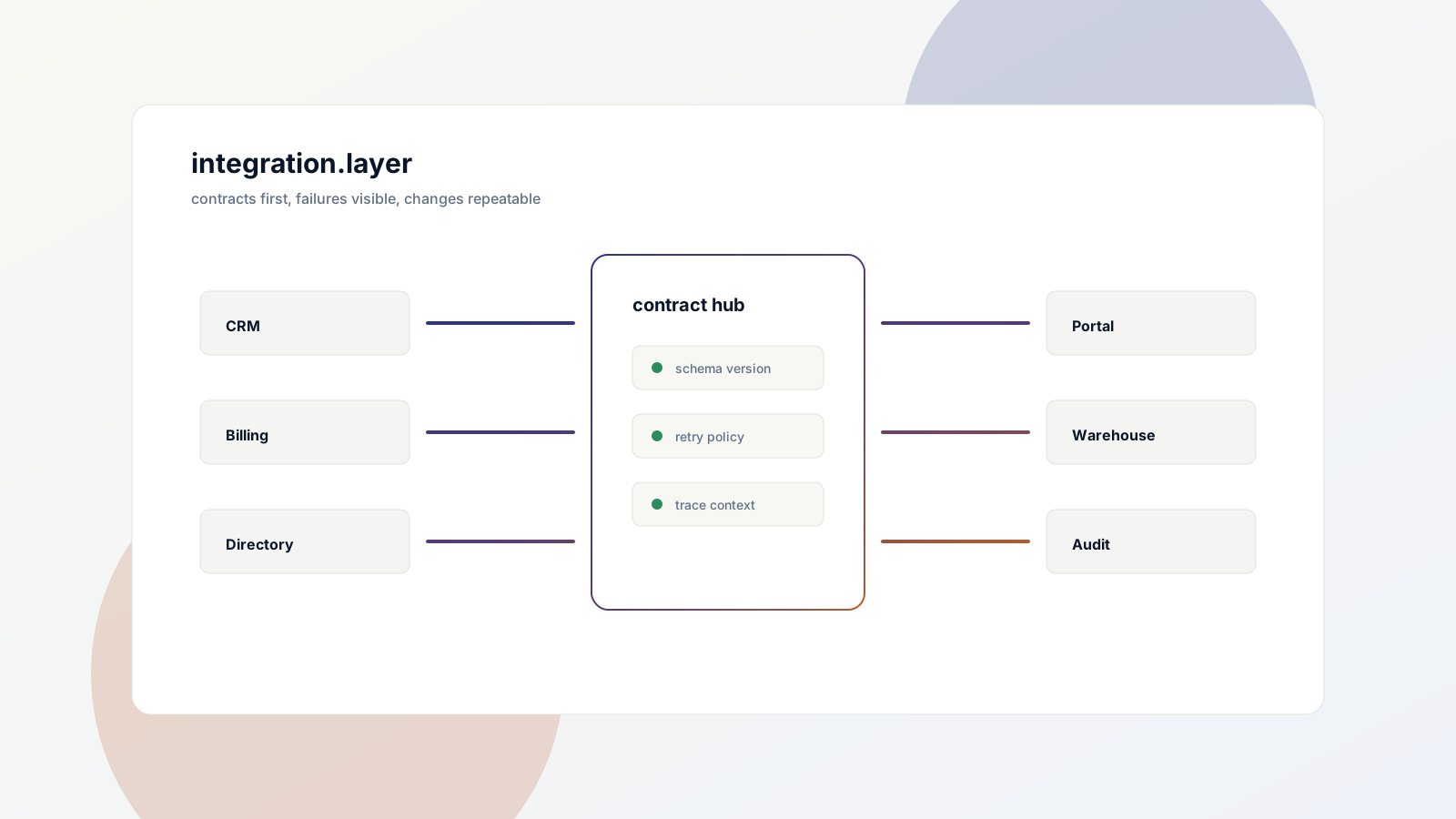
Modernization becomes valuable when the integration layer slows product change, hides failures, or requires too much specialist knowledge to operate. The goal is not novelty; it is making data movement predictable enough that teams can change the product again.
Look for risk signals
Frequent manual repair, duplicated mapping rules, weak observability, and fragile release processes are signs that the current approach is costing more than it appears on the roadmap. But the more subtle signal is normalized friction: data mismatches, field changes, exception paths, and flow adjustments that become part of daily operations. Together, they make the system harder to explain and harder to change.
Over time, the integration layer can become a record of past compromises rather than a tool for future change. Modernization does not get easier with time. It gets harder because the estate grows around the exceptions.
Start with the map, not the migration
A useful first step is an operational map that tells you which data flows you rely on, who depends on them, what sources feed them, and what systems receive them. It should also show where exceptions happen, where manual work happens, and where data quality problems are most likely to hide.
When you have that map, the conversation changes. It stops being a debate about timelines and becomes a decision about priorities. Which flow creates the most operational friction? Which one would give the most visible improvement if it worked cleanly? Which one is small enough to prove the approach without destabilizing operations?
Move incrementally
A safer modernization path usually starts with better boundaries, automated tests around existing behavior, and a migration plan that lets old and new flows coexist while confidence builds. Deliver one outcome in production that the business can measure: fewer data errors, faster sync, clearer reporting, or reduced escalations. The proof matters more than the specifics. Once the approach works for one flow, the next one is easier to justify.
Each subsequent move reduces the legacy surface area, reduces manual handling, and increases confidence. Starting early means you can choose the right architecture for each scenario instead of reacting to a vendor timeline while subject-matter knowledge and organizational focus are still available.